
Identifying and Repairing Wildlife Roof Damage
Living in Albuquerque offers spectacular views of the Sandia Mountains, beautiful high desert landscapes, and over 300 days of sunshine a year. But sharing our gorgeous environment with nature also means sharing it with local wildlife. While we love seeing the diverse birds and small animals that call the high desert home, it becomes a major problem when they decide to make your home their new habitat.
When wildlife moves into your attic or onto your roof, they bring a host of complications. Pigeons, squirrels, raccoons, and rodents are constantly searching for shelter from extreme weather, nesting areas, and safe havens to raise their young. Unfortunately, our roofs often provide the perfect sanctuary. If left unchecked, these uninvited guests can cause severe structural issues, compromise your home's insulation, and create health hazards.
At Doyle Roof Masters Inc, we have spent decades helping homeowners protect their properties from the elements and the local fauna. Finding pests on your roof is a stressful experience, especially when you are trying to ensure your home is ready for the intense monsoon season. Knowing how to spot the early warning signs of an infestation and understanding the steps needed to restore your home's defenses can save you thousands of dollars in extensive restorations.
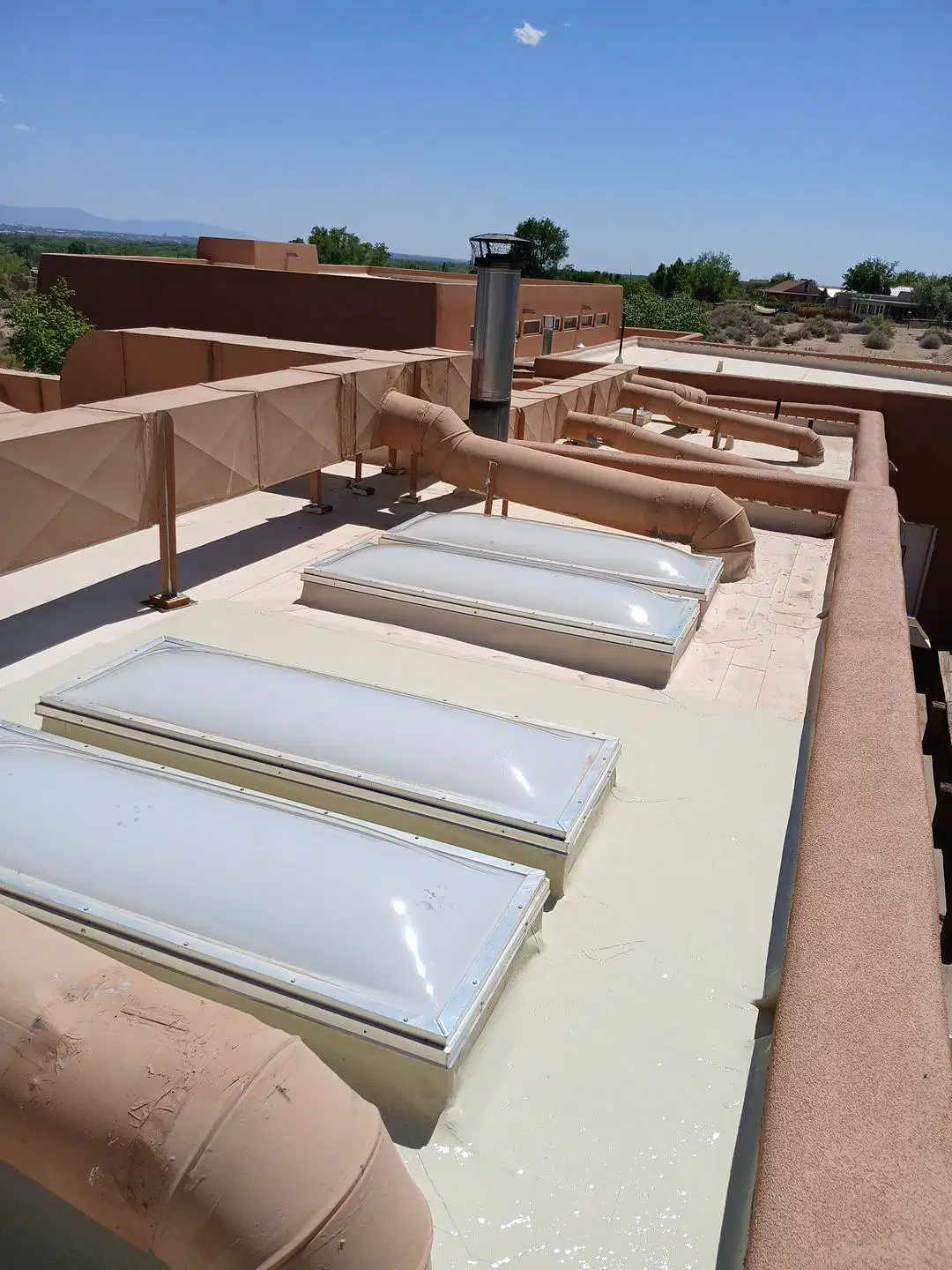
How to Identify Animal Damage on Roof Structures
Catching an animal intrusion early is the key to minimizing the damage. Homeowners in the Northeast Heights and the East Mountains often find themselves dealing with squirrels and raccoons, while those in The Valley might struggle more with nesting birds and rodents. Figuring out how to identify animal damage on roof materials usually comes down to observing unusual changes around your home's exterior and listening to what is happening above your ceiling.
Start by walking around your property and looking up at your roofline. Pay close attention to the parapets, eaves, and soffits. Are there pieces of torn shingles, chewed wood, or scattered nesting materials on the ground? Birds and rodents often build nests near warm areas like chimneys or exhaust vents. You might also notice debris clogging your traditional canales, which are essential for draining water off flat roofs. When these drainage points get blocked by bird nests or rodent activity, water pools during heavy summer rains, leading to devastating leaks.
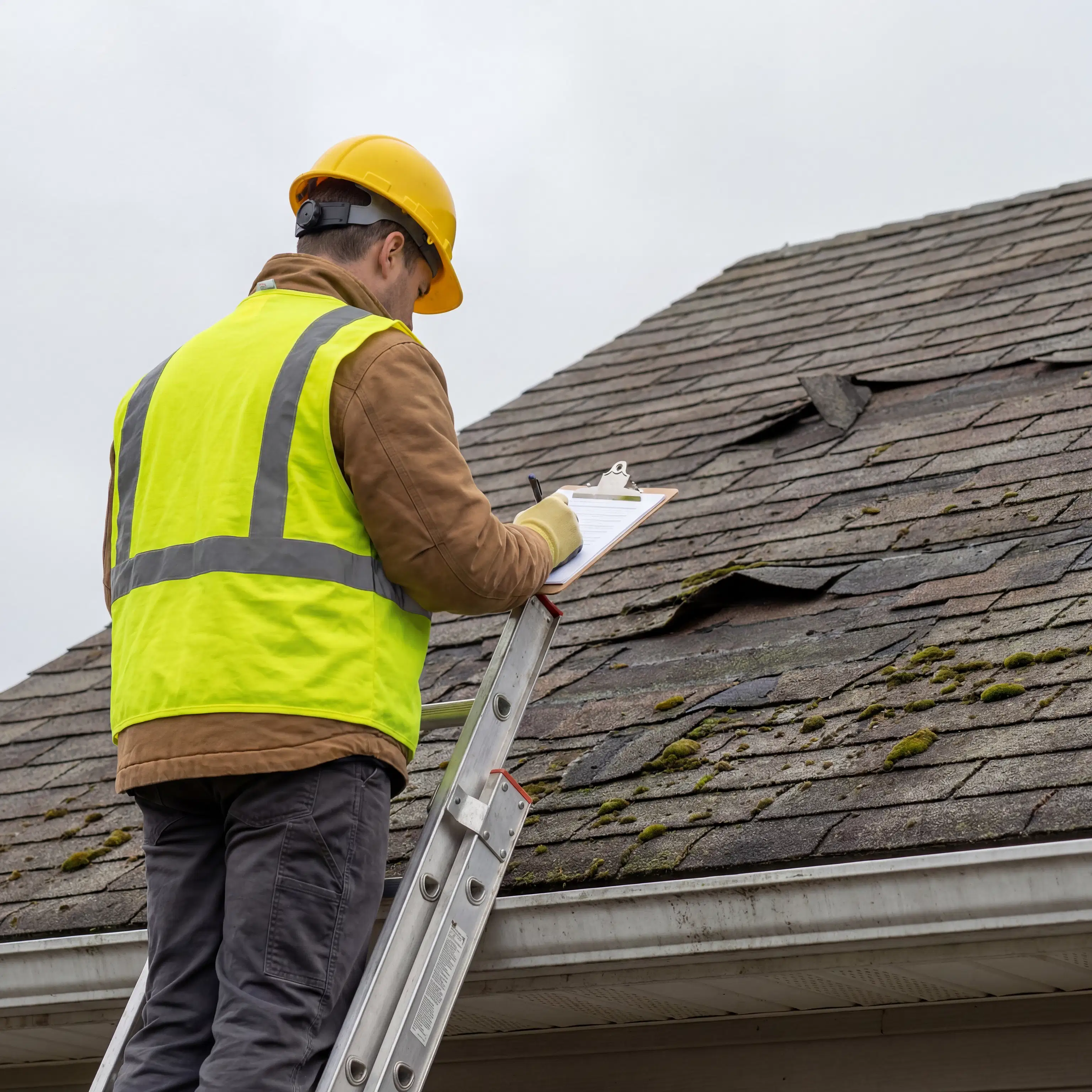
Listen closely during the early morning and late evening. Scratching, scurrying, or thumping sounds coming from the attic are clear indicators that wildlife has breached your roof's defenses. Furthermore, keep an eye out for visible droppings on your patio covers or walkways below the roofline. If you spot gnaw marks on wood trim, missing roof tiles, or torn screens, it is time to call in a professional to assess the situation before the damage worsens.
Repairing Pest Damage to Roof Flashing and Vents
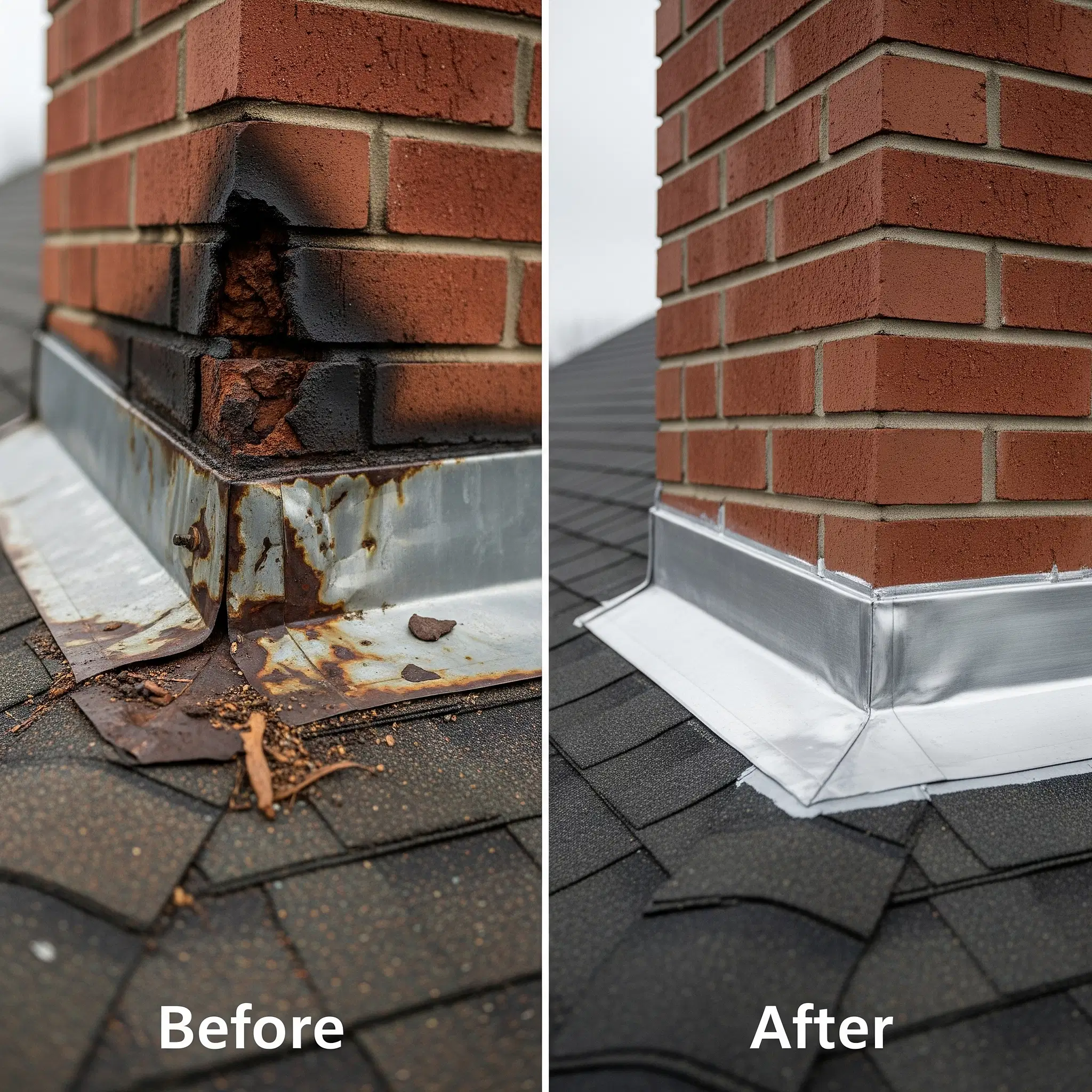
Once the animals have been safely removed from the premises, repairing pest damage to roof flashing and vents must be an immediate priority. Flashing—the metal material used to direct water away from critical areas of the roof like chimneys, vents, and valleys—is a common target for determined wildlife. Raccoons and squirrels have remarkably strong claws and teeth; they can easily pry up or chew through weakened flashing to gain entry into your attic.
When roof vents and flashing are compromised, your home is left entirely exposed to the elements. During a sudden downpour, water can easily seep through these openings, rotting the underlying wood decking, damaging insulation, and destroying your interior ceilings.
At Doyle Roof Masters Inc, our roof repair process is designed to be seamless and stress-free for the homeowner. When you contact us regarding a leak or wildlife damage, we start by scheduling a comprehensive estimate to detail the exact scope of work. Once approved, our project managers assign a skilled crew and coordinate all materials. We carefully remove the damaged sections, whether that involves replacing chewed rubber bootings around vent pipes or installing new metal flashing around traditional wooden vigas that project through exterior walls. Throughout the project, our team keeps you updated, performs daily clean-ups to keep your property safe, and conducts a final inspection to ensure the wildlife damage repair meets our rigorous standards.
Preventing Wildlife and Bird Nesting Under Roof Tiles
Fixing the current damage is only half the battle; preventing future intrusions is just as critical. Homeowners with beautiful pitched roofs often find themselves researching preventing wildlife and bird nesting under roof tiles. The gaps naturally created by Spanish clay tiles or concrete tiles are incredibly inviting to small birds, bats, and mice.
To safeguard your home, proactive roof maintenance is essential. One of the most effective prevention methods is installing specialized bird stops or eaves closures. These custom-fitted pieces block the openings at the end of the tile rows, completely sealing off the underlying roof deck without disrupting the necessary airflow. Additionally, upgrading your vent covers to heavy-duty, chew-proof metal screens can stop persistent rodents in their tracks. Regularly trimming tree branches that hang over your roof will also remove the convenient "highways" that squirrels use to access your home.
Protect Your Home with Doyle Roof Masters Inc
Dealing with the aftermath of a wildlife invasion can feel overwhelming, but you don't have to tackle it alone. Addressing these vulnerabilities promptly not only protects your home's structural integrity but also ensures you are fully prepared for whatever the New Mexico weather brings.
If you suspect that animals have caused damage to your roof, or if you simply want to ensure your home is secure against future intrusions, we are here to help. Contact Doyle Roof Masters Inc today to schedule an estimate. Let our experienced Albuquerque team provide the lasting repairs and peace of mind you deserve.